

Advertising has always reflected society. But today, it moves at the speed of culture. Every day, conversations emerge around events, memes, films, sports moments, social causes and digital trends. These cultural signals influence how audiences interpret brand messages.
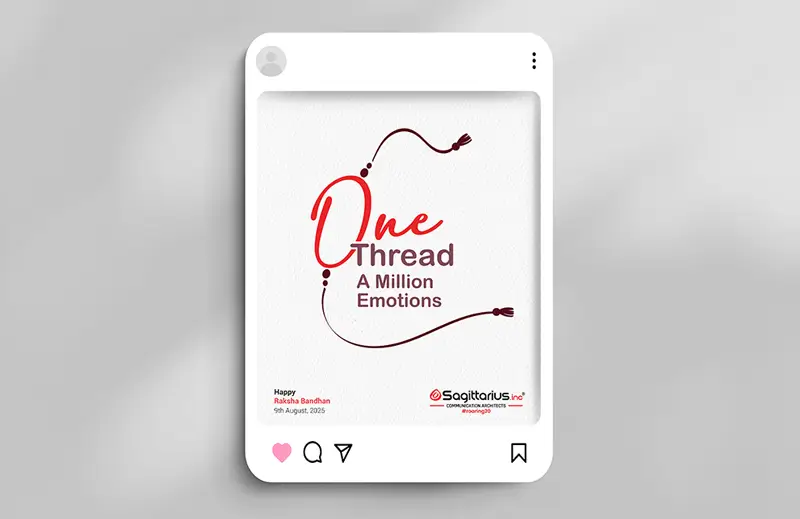
For advertisers, cultural awareness has become a powerful strategic tool. When brands connect with the cultural mood of the moment, communication feels immediate and relatable. A campaign suddenly becomes more than an advertisement. It becomes part of a larger conversation. However, cultural relevance is not about reacting to every trend. It is about understanding which moments genuinely align with the brand’s identity.
Authenticity plays a crucial role here. Audiences quickly recognise when brands participate in conversations merely to gain visibility. But when a brand’s message feels natural within a cultural context, the response can be remarkably positive. This is why strategic thinking matters as much as creative instinct. Successful campaigns begin with observation. What are people talking about? What emotions define the moment? What values resonate with audiences today? When agencies interpret these signals thoughtfully, brands can communicate with greater resonance and impact.
Cultural relevance also makes advertising more human. Instead of speaking at audiences, brands participate in shared experiences. In an age where communication travels instantly across digital platforms, the brands that stay culturally aware often remain socially relevant as well.
Advertising may be planned months in advance, but its impact often depends on how well it understands the present moment.